

The global oil market is once again at the center of economic, political, and financial conversations. In a dramatic and highly consequential development, the key real-world oil benchmark—Dated Brent—has surged above $140 per barrel, marking its highest level since the 2008 financial crisis.
This milestone is more than just a headline figure. It signals deep structural stress in global energy supply chains, reflects escalating geopolitical tensions, and raises urgent questions about inflation, economic stability, and the future of energy.
What Is Dated Brent—and Why It Matters
Before diving deeper, it’s important to understand what makes this price so significant.
Dated Brent is not just another oil price—it is widely regarded as the most important real-world benchmark for uk breaking news24x7 physical oil cargoes, particularly in Europe, Africa, and parts of Asia.Unlike futures prices (like WTI or Brent futures), Dated Brent reflects actual cargo transactions—real barrels changing hands in real time.
That distinction matters because:
- It captures true supply-demand conditions
- It reflects physical shortages, not just speculation
- It influences global pricing contracts
So when Dated Brent crosses $140 per barrel, it means the real, physical oil market is under intense pressure—not just traders in financial markets.
The 2026 Oil Price Surge: What’s Driving It?
1. Geopolitical Tensions in the Middle East
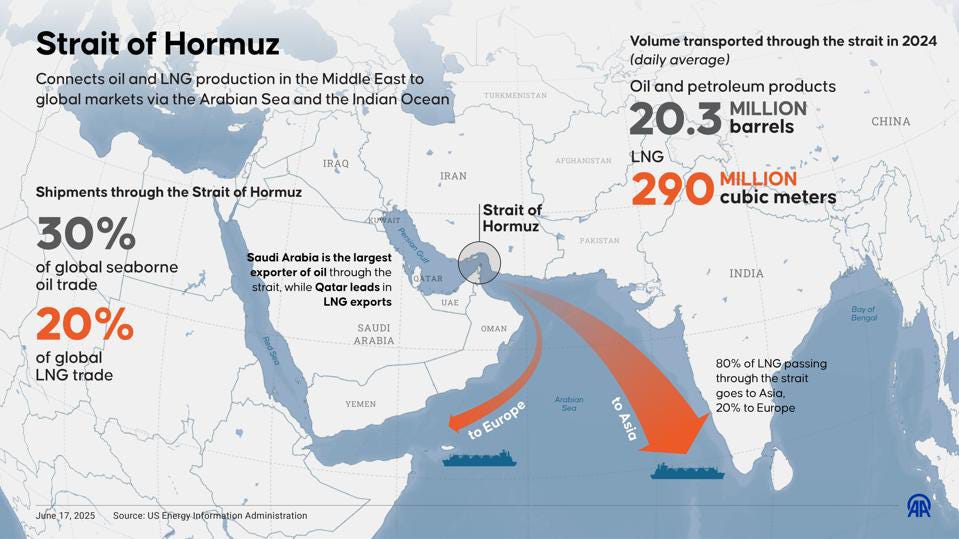
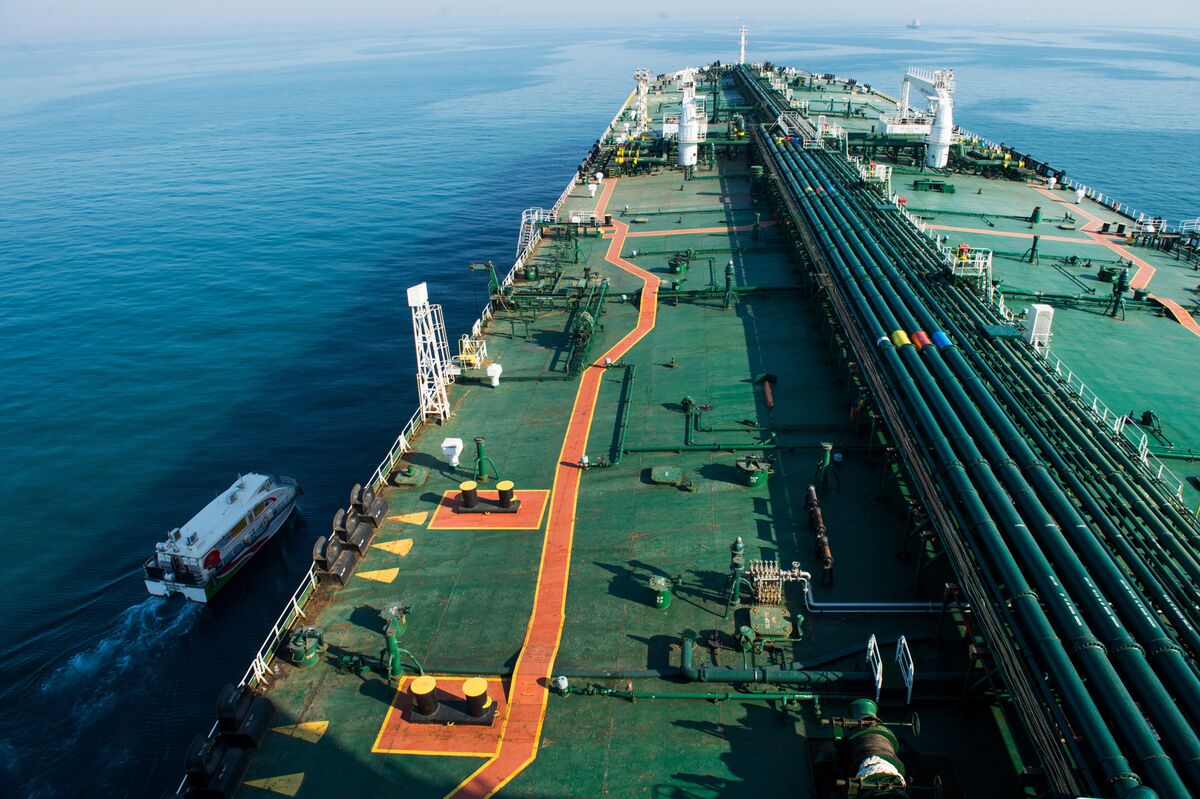
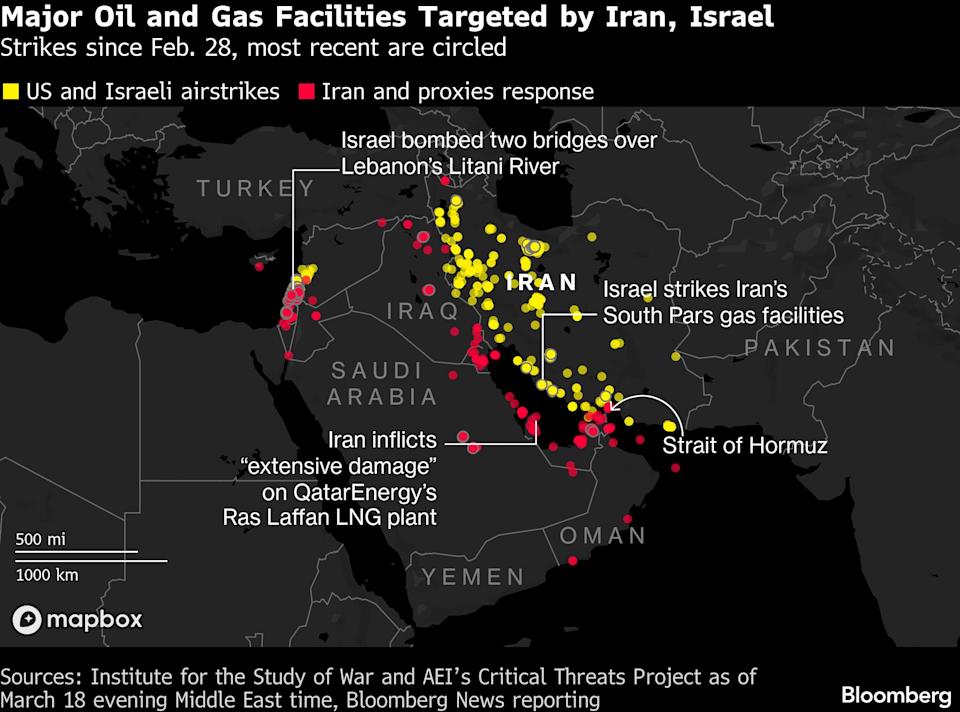
The most immediate catalyst behind the surge is escalating geopolitical conflict involving Iran and Western powers.
The Strait of Hormuz, a narrow waterway through which roughly 20% of global oil supply flows, has become a focal point of disruption.Any threat to this route instantly sends shockwaves through energy markets.
Recent developments have:
- Restricted oil shipments
- Increased insurance and transport costs
- Triggered fears of prolonged supply disruptions
Analysts warn that even partial closures or instability in this region can remove millions of barrels per day from global supply.
2. Supply Shock in Physical Oil Markets
The spike in Dated Brent highlights a crucial point: this is a physical supply crisis, not just a financial one.
According to market data:
- Physical Brent cargo prices surged to $141+ per barrel
- Supply disruptions have created immediate shortages of deliverable crude
- Refiners are competing aggressively for available barrels
This tightness is particularly severe for medium and heavy crude grades, which many refineries depend on.
3. War Risk Premium and Market Psychology
Oil markets are not driven solely by supply and demand—they are heavily influenced by expectations.
Recent geopolitical developments have introduced a “war risk premium”, where prices rise due to fear of future disruptions.
Recent data shows:
- Oil prices have surged sharply amid escalating conflict rhetoric
- Futures markets are pricing in prolonged instability
- Volatility has reached levels not seen in years
In essence, traders are asking:
“What if the worst-case scenario happens?”
And pricing oil accordingly.
4. Demand Remains Surprisingly Resilient
One might expect high prices to reduce demand—but so far, global consumption has remained strong.
